

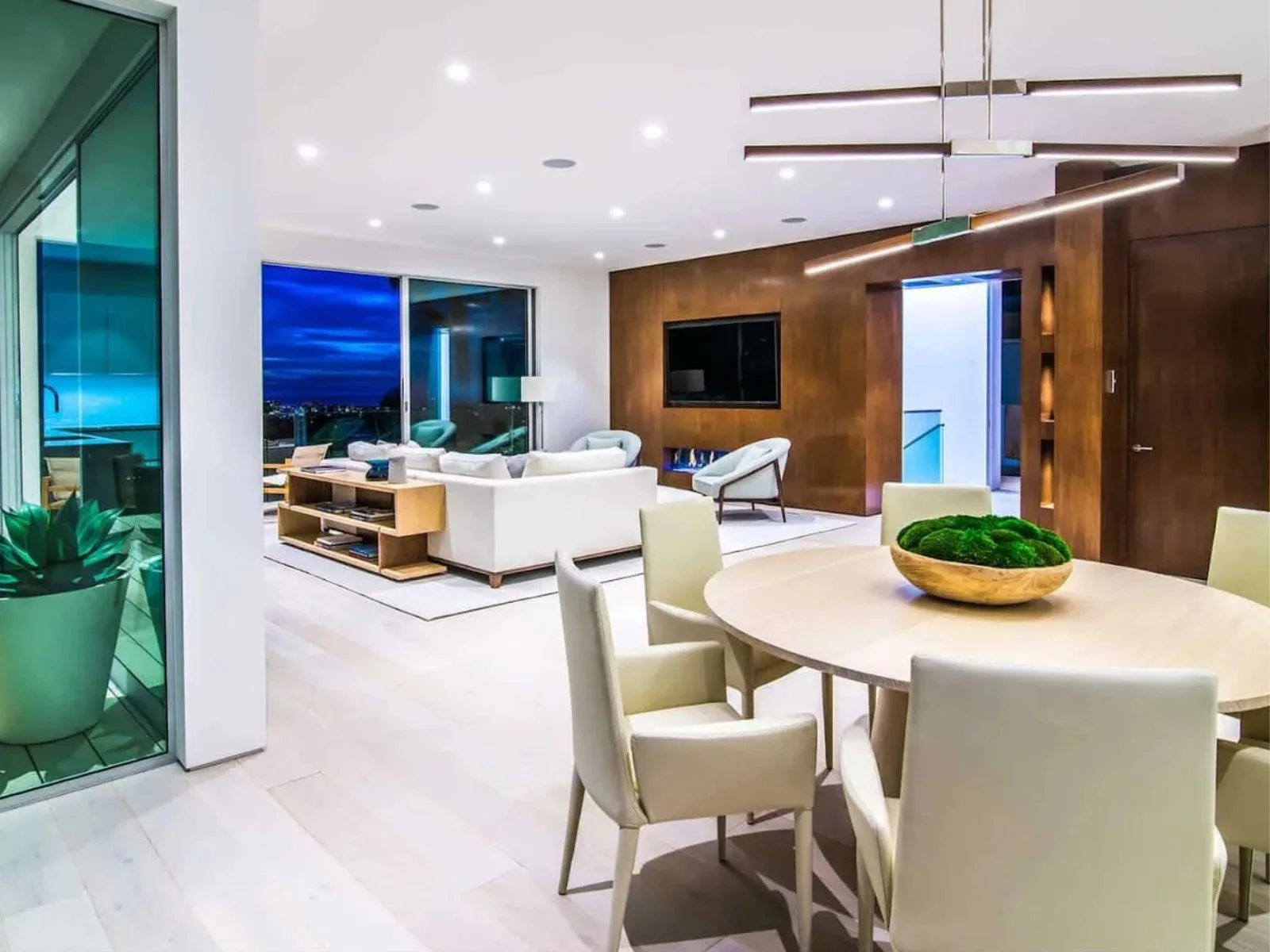
When planning a home remodel in Los Angeles, most homeowners are not just looking for a rough price. They want to understand where the budget actually goes, which parts of the home cost the most, and how to build a realistic remodeling plan without overspending.
That’s why the smartest way to think about remodeling cost is not by square footage alone, but by which spaces are being upgraded, how deeply those spaces are changing, and whether the existing layout stays in place.
In most Los Angeles homes, a realistic whole-home remodeling budget usually starts between $150 and $300 per square foot for a mid-range remodel, while projects that include structural redesign, custom millwork, premium finishes, and full kitchen-bath transformations can move into the $300 to $500+ per square foot range.
At Karamia Designs, the most accurate budgets always begin with scope clarity, understanding exactly what parts of the home need transformation and what can remain as-is.
Home Remodel Cost Tiers in Los Angeles
| Remodel Tier | Est. Cost (per sq. ft.) | Typical Scope of Work |
| Cosmetic Refresh | $100 – $150 | Surface updates: paint, flooring, lighting, and minor fixtures. No layout changes. |
| Mid-Range Transformation | $150 – $300 | Full kitchen/bath updates, semi-custom cabinetry, and high-quality appliances. |
| High-End / Structural | $300 – $500+ | Wall removal, structural engineering, custom millwork, and premium slab materials. |
What Is Usually Included in a Home Remodel?
A full home remodel is rarely one single upgrade. It is usually a combination of several cost zones across the house.
Key areas that typically shape the remodel budget:
- Kitchen remodeling
- Bathroom upgrades
- Flooring and surface replacements
- Lighting and electrical
- Layout and structural changes
- Built-in storage and millwork
Each of these areas affects the total cost differently.
For example, kitchen remodeling often takes the largest share of the budget because it combines cabinetry, countertops, appliances, backsplash work, plumbing fixtures, lighting, and multiple skilled trades in the same area. Even when the footprint stays the same, finish choices can dramatically change the final number.
Bathroom upgrades usually cost more per square foot than living spaces because they involve waterproofing, plumbing, tile labor, shower systems, vanities, and ventilation. Smaller room size does not necessarily mean lower cost here, because the labor intensity is much higher.
Flooring and surface replacements also influence the budget heavily, especially in larger homes. Material choice, floor leveling, transition details, and baseboard replacement all add layers to the total cost.
When it comes to lighting and electrical, many Los Angeles homes reveal hidden issues once walls are opened. Older wiring, insufficient circuits, or outdated electrical panels can quickly turn a simple fixture upgrade into a larger correction scope.
The biggest cost jump usually happens with layout and structural changes. Opening a kitchen to the living room, removing walls, or redesigning circulation paths introduces framing, engineering, beam work, and permit requirements.
What Factors Affect Home Remodel Cost the Most?
Home size matters, but it is rarely the biggest pricing driver.
The main cost factors include:
- Number of rooms being remodeled
- Whether the layout changes
- Material and finish level
- Existing home condition
- Labor and permit requirements
The number of rooms included changes the budget immediately. A cosmetic refresh across the whole home behaves very differently from a remodel that includes the kitchen, two bathrooms, flooring, and custom storage.
One of the biggest cost-control decisions is keeping the layout intact. The moment plumbing fixtures, kitchen islands, gas lines, or walls begin to move, labor and permit costs rise sharply because electrical rerouting, framing, inspections, and engineering often become necessary.
The finish level is another major cost driver. Two homes with the same floor plan can land in completely different price ranges depending on whether the selections include standard quartz and semi-custom cabinetry or full slab stone and custom millwork.
The existing condition of the home also plays a huge role. Older Los Angeles homes often reveal hidden plumbing issues, uneven subfloors, framing inconsistencies, or moisture damage during demolition, which is why contingency planning is so important.
Finally, labor and permits naturally raise costs in Los Angeles due to skilled trade pricing, structural approvals, and local code compliance.
How to Build a Smart Home Remodel Budget
The easiest mistake homeowners make is treating the remodel as one lump-sum number.
A smarter approach is to divide the budget into clear categories.
Start with these budget buckets:
- High-priority living spaces
- Core construction costs
- Finish and design costs
- Contingency reserve
Begin by identifying high-priority spaces usually the kitchen, primary bafthroom, family room, entry, and flooring in daily-use areas. These spaces create the strongest daily-life impact, so they deserve first allocation.
Next, separate core construction costs from visual finishes. Construction costs include demolition, framing, plumbing, electrical, labor, and permits. These are the functional requirements that make the remodel work.
Then comes the finish and design budget, which includes cabinetry, flooring, tile, countertops, fixtures, lighting, paint, and millwork details. This is where design preference directly affects the budget range.
The most important category is the contingency reserve. In Los Angeles, keeping 10–20% extra for hidden wall damage, framing corrections, plumbing surprises, or finish upgrades is one of the smartest ways to avoid financial stress during construction.
A Better Way to Think About Remodel Cost
The best remodel budgets are not based on random online averages.
They are based on a better question:
Which upgrades will improve how the home functions every day?
For some homeowners, the biggest impact comes from opening the kitchen and improving flow into the family room.
For others, it may be updating bathrooms, replacing outdated flooring, improving lighting, and adding better built-in storage.
This approach creates a remodel budget that supports both daily livability and long-term property value, instead of simply chasing a per-square-foot number.
Frequently Asked Questions
Is remodeling cheaper than buying a new home in Los Angeles?
In many cases, yes. Remodeling lets homeowners upgrade functionality and style without paying higher moving, closing, and market-entry costs.
Should I remodel the whole house at once or in phases?
If the budget allows, doing connected spaces together is usually more cost-efficient because labor, materials, and finishes stay coordinated.
Do premium finishes always increase resale value?
Not always. The best return usually comes from upgrades that match the neighborhood standard and improve everyday usability.
Can I live in my house during a full remodel?
It depends on how many wet areas and living zones are affected. Whole-home remodels involving kitchens, bathrooms, and flooring are often easier with temporary relocation.
What is the best first step before asking for remodel estimates?
Start by listing the spaces that need the most functional improvement so the estimate reflects real priorities instead of broad assumptions.
Final Thought
The real cost of a home remodel in Los Angeles depends on which spaces are included, how deeply each area changes, the finish level selected, and whether structural changes are involved.
The smartest budgeting strategy is to first map all remodel zones, prioritize the spaces used most often, and then separate construction needs from finish preferences.
That is how a broad remodeling estimate becomes a clear and confident investment roadmap.
At Karamia Designs, this space-by-space budgeting approach helps homeowners make smarter decisions, reduce surprise costs, and create remodel plans that truly match how they live.