
Top Commercial Interior Design Trends for Businesses
Walk into any forward-thinking office, restaurant, or retail store today, and you will notice intention. The physical space communicates a brand’s identity, supports its people, and creates a lasting experience. In a competitive market, the interior environment is a powerful, underutilized business tool.
Whether you are redesigning a corporate headquarters, opening a flagship store, or refreshing a hospitality venue, this streamlined guide covers the core trends redefining modern business spaces.
The Top Commercial Design Trends
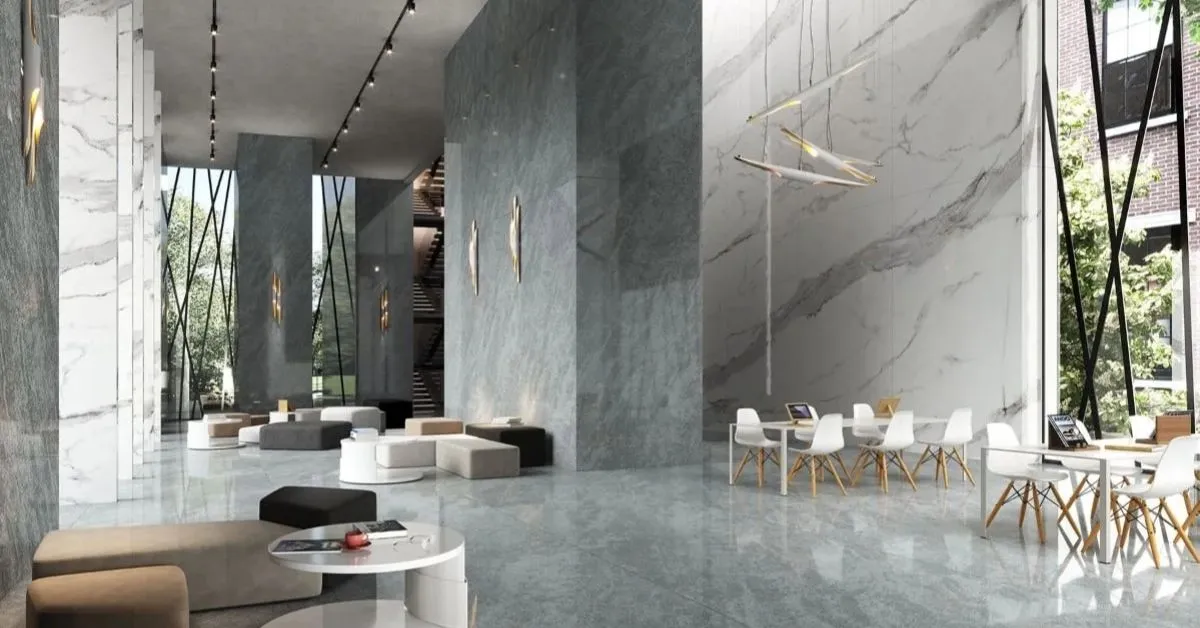
Modern businesses are moving away from rigid, single-purpose blueprints to prioritize dynamic, human-centric spaces. The following trends represent the most impactful ways brands are reshaping their physical environments to boost performance and elevate identity.
1. Transitional Design: The Universal Aesthetic
Transitional design sits at the intersection of classic and contemporary style. It combines the warmth and texture of traditional spaces with the clean lines and restrained palette of modern aesthetics. While purely modern spaces can feel cold and traditional spaces can look dated, transitional design signals quality and longevity.
- Palettes: Warm beiges, soft whites, and rich earth tones paired with deliberate brand accent colors.
- Materials: Natural wood, brushed metals, stone, and rich textiles layered with intention.
- Furniture: Timeless silhouettes updated with clean frames and modern finishes.
- Architecture: Architectural details like arched doorways or custom millwork are balanced by contemporary lighting.
2. Biophilic Design: Bringing the Outside In
Biophilic design incorporates natural elements into built environments. Humans are hardwired to respond positively to nature; when integrated into commercial spaces, natural elements reduce stress, improve cognitive performance, and increase customer dwell time.
- Greenery: Living walls and vertical gardens used as architectural focal points.
- Lighting: Atriums, skylights, and expansive glazing engineered to maximize natural daylight.
- Texture: Raw stone, reclaimed timber, and woven textiles replacing synthetic alternatives.
- Water: Integrated water features in reception areas to provide ambient sound and visual calm.
3. Flexible, Multipurpose Layouts
The rigid, department-by-department floor plan is obsolete. Modern commercial interiors are designed around activity-based working principles, the idea that a single space must support multiple modes of work throughout the day.
- Modular Systems: Furniture that can be easily reconfigured for team collaboration or individual focus.
- Acoustic Zoning: Using architectural elements and textiles to create quiet zones alongside open collaboration hubs.
- Multipurpose Rooms: Meeting spaces with moveable partitions and integrated technology to serve multiple functions.
- Breakout Areas: Lounge-style spaces that encourage informal interaction and culture-building.
4. Wellness-First Spaces
Workplace wellness goes far beyond ergonomic seating; it encompasses lighting quality, air purity, acoustics, and the psychological experience of a space. Physical environments directly impact health outcomes and talent retention.
- Circadian Lighting: Systems that shift color temperature throughout the day to align with natural sleep-wake cycles.
- Air Quality: Materials specified to eliminate off-gassing and volatile organic compounds (VOCs).
- Decompression Zones: Dedicated quiet rooms for meditation, prayer, nursing, or mental resets.
- Active Design: Visible, architecturally striking staircases and standing workstation options.
5. Hospitality-Inspired Lobbies
Lobbies, reception areas, and waiting spaces are no longer design afterthoughts; they are brand stages. Forward-thinking businesses treat the arrival experience with a hospitality mindset to shape a visitor’s emotional orientation from the moment they enter.
- Statement Desks: Sculptural reception desks crafted from premium materials like honed marble or solid timber.
- Residential Comfort: Curated seating arrangements that feel comfortable and premium rather than institutional.
- Hospitality Bars: Integrated beverage and coffee bars to welcome clients and staff.
- Sensory Layering: Curated art programs, ambient scenting, and layered lighting are used as experiential tools.
6. Sustainable Material Selection
Sustainability is now a core design discipline. The most durable and compelling commercial interiors prioritize responsible sourcing without sacrificing a premium aesthetic.
- Circular Materials: Reclaimed wood cladding, recycled glass countertops, and cradle-to-cradle certified flooring.
- Certified Sourcing: FSC-certified timber and stone with transparent supply chains.
- Eco-Standards: Low-VOC paints, adhesives, and energy-efficient mechanical systems integrated from the outset.
7. Invisible Technology Integration
The era of exposed cable management and clunky AV equipment has passed. Modern technological infrastructure serves the occupant invisibly and intuitively, without disrupting spatial vision.
- Smart Shading: Motorized systems programmed to respond automatically to sunlight and heat gain.
- Concealed AV: Conferencing technology hidden within custom millwork, featuring flush-mounted or retractable screens.
- Seamless Access: Biometric or app-based entry systems integrated directly into lobby architecture.
8. Brand Identity as Interior Architecture
Sophisticated commercial spaces avoid generic fit-outs, translating brand guidelines into three-dimensional environments that clients recognize and remember.
- Bespoke Millwork: Custom feature elements and proportions that carry unique brand language.
- Environmental Graphics: Dimensional wall treatments and typography-driven installations that communicate company values.
- Psychological Color: Strategic color zoning, using vibrant tones in collaborative zones and low-saturation hues in focus areas.
Sector-Specific Design Strategies
Retail Environments
Physical retail thrives by offering experiences that websites cannot replicate. Successful spaces utilize reduced inventory density to elevate perceived value, design camera-ready fitting areas to encourage organic social sharing, and build service spaces with a comfortable hospitality sensibility.
Restaurant & Hospitality
Restaurant interiors must balance beauty with strict operational efficiency. Success requires acoustic engineering to ensure comfortable conversation heights, varied seating typologies to accommodate different party sizes, and dynamic lighting systems that smoothly transition the mood from day to night.
Frequently Asked Questions
What are the most important commercial interior design trends in 2026?
The top trends are transitional aesthetics, biophilic design, flexible multipurpose layouts, wellness-first spaces, hospitality-inspired lobbies, sustainable materials, and invisible technology integration.
What is transitional commercial interior design?
It is a style that blends classic traditional warmth with contemporary clean lines to create a timeless, high-quality look that appeals across generations.
How does commercial interior design affect business performance?
Thoughtful design directly boosts employee productivity and retention in offices, while increasing dwell time, customer conversion, and brand loyalty in retail and hospitality spaces.
What is biophilic design in commercial spaces?
It is the intentional integration of natural elements, such as living plants, natural light, and raw materials, into the built environment to improve human well-being.
How much does commercial interior design cost?
Costs vary widely by scale, ranging from a few thousand dollars for a minor layout refresh to six or seven figures for structural work and premium fit-outs.
What is the difference between commercial and residential interior design?
Commercial design focuses on public business spaces and must strictly account for building codes, ADA accessibility, high durability standards, and brand identity. Residential design tailors to a private household’s personal lifestyle.
How to Apply These Trends to Your Business
Understanding commercial interior design trends is one thing; applying them to your specific brand, culture, and spatial footprint is another. The most successful commercial projects begin with a rigorous understanding of your business operations and growth trajectory before any aesthetic decisions are made.
At Karamia Designs, we collaborate with businesses across Los Angeles, from corporate headquarters to boutique retail concepts, to create interiors that are strategically informed, visually distinctive, and built to perform.
Ready to transform your space? Contact Karamia Designs today to schedule an initial consultation and discover how we can align your physical environment with your business goals.