

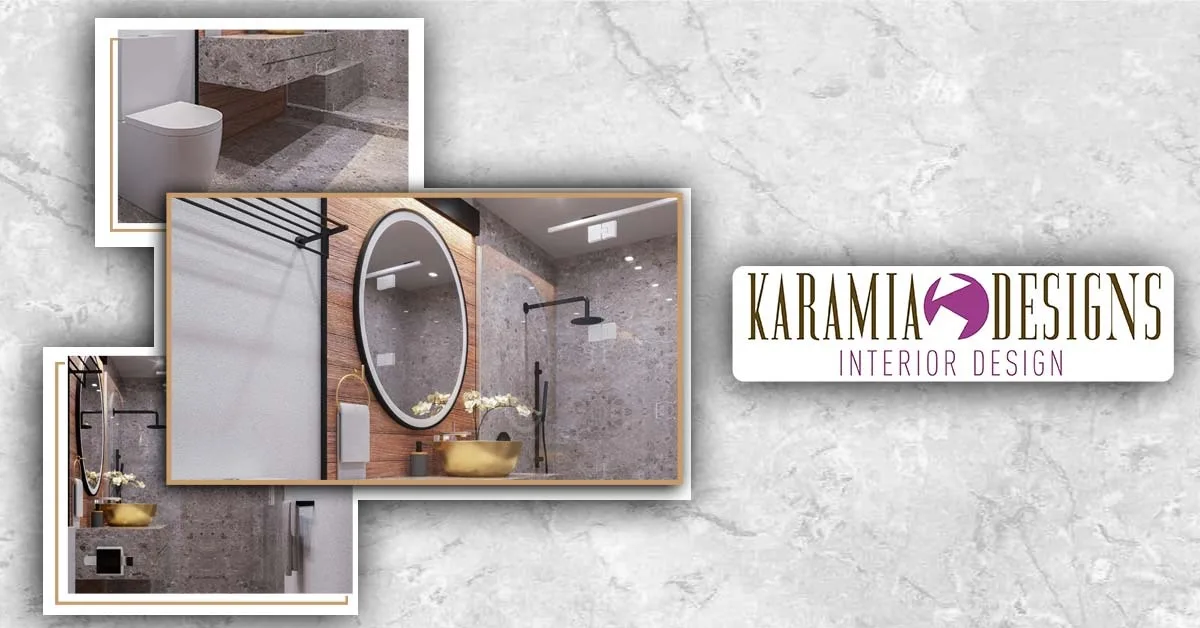
How to Find the Right Interior Designer Near You
Most homeowners don’t make one big mistake when hiring an interior designer. They make a series of small ones.
They start with the wrong search. Ask the wrong questions. Sign a contract before understanding how the designer actually works. Three months later, they’re standing in a finished room that photographs well but still feels off. The layout frustrates them at 7 AM. The storage looked clever on the mood board, but it holds half of what they own.
If you’re searching for an interior designer near you, this guide cuts through the confusion. You’ll learn exactly how to evaluate, shortlist, and hire the right designer without wasting time, money, or trust on the wrong one.
Why Does Hiring the Right Interior Designer Matter So Much?
Here’s what most design content won’t tell you: a decent designer can make almost any room look attractive. That’s not the hard part.
The hard part is making a room function for your specific household, your specific habits, across years of real daily life.
Good residential interior design is a problem-solving discipline. The aesthetic is the output. The real work happens before a single furniture piece is selected:
- How does your family move through this space in the morning?
- Where does clutter accumulate, and why?
- Is the natural light an asset or a constant problem?
- What compromises are you making that you’ve stopped noticing?
A designer who thinks through these questions before opening a mood board is worth every rupee of their fee. One who doesn’t will leave you with a beautiful-looking room that quietly frustrates you for years.
Step-by-Step: How to Find the Right Interior Designer Near You
Step 1: Define Your Needs Before You Start Searching
Before you open Google or scroll Instagram, spend 30 minutes answering four questions honestly. This isn’t preparation for the designer; it’s preparation for you, so you can tell who’s listening versus who’s just pitching.
Scope: A single room, a full apartment, or a new home? This determines which designers are appropriate to approach at all. A full-project firm may not structure its fees for a single-room brief.
Real budget: Not the aspirational one. Include design fees, furniture, materials, execution, and a 15% contingency. Without this, you’ll waste time on designers who are fundamentally mismatched on cost.
Style direction: You don’t need vocabulary. You need to know what bothers you about your current space and what you’ve responded to, anywhere. Collect 10–15 reference images before your first call.
Non-negotiables: Children who destroy delicate surfaces. A partner who hates open shelving. A sleeping pattern that makes lighting critical. Write them down; these are the constraints that expose whether a designer is actually designing for your life.
Step 2: How to Research a Local Interior Designer Beyond Just Google
Searching for a local interior designer starts with Google, Houzz, Instagram, Urban Company, and referrals. But what you evaluate from those results is what actually matters.
Portfolio consistency: Does their work reflect a coherent design philosophy, or does every project look like a different designer did it? Consistency signals a genuine point of view. Inconsistency may mean they execute whatever the client brings, without adding original thinking.
Project type match: A designer who works on 4,000 sq ft bungalows has different instincts, vendor relationships, and cost assumptions than one who works primarily on 900 sq ft city apartments. Scale matters.
Review quality, not quantity: Don’t count stars. Read the language. Reviews describing the process kept us in budget, understood what we needed, and great communication during execution are more useful than amazing work! Also, check how they respond to critical reviews. Accountability in a tough moment reveals a lot.
Shortlist three to five designers to evaluate further.
Step 3: What Should You Actually Look for in a Portfolio?
Most people look at a portfolio and ask: Do I like this? Wrong question.
Practical for daily living: Look at storage integrated or bolted on? Look at the seating for real conversation or the camera angle? Look at the traffic flow. Can you tell where people actually walk?
Appropriate materials: A marble countertop in a home with young children means either the designer didn’t ask about lifestyle, or the client overrode practical advice. Worth noting either way.
Lighting: Strong lighting is layered with ambient, task, and accent. If every room in the portfolio has the same recessed ceiling grid, lighting probably isn’t a priority for them.
Evidence of problem-solving: Clever small apartments, awkward rooms that still function gracefully, unusual proportions handled confidently, these signal a designer who solves spatial problems, not just decorates surfaces.
Step 4: How Do You Understand a Designer’s Working Process?
Before booking anything, send one question:
Can you walk me through how you typically work from the first brief to the final handover?
A clear, structured answer is a green flag. Vagueness requires follow-up: How do you manage timelines? Who decides when there’s a disagreement? What does execution week look like?
You’re not looking for a perfect answer. You’re looking for evidence that this person has thought carefully about the process because the process is what protects you when something goes wrong. And on any real project, something will.
Step 5: What Questions Should You Ask at the Interior Design Consultation?
The interior design consultation is your evaluation tool, not a pitch meeting. Use it.
Tell me about a constraint in a past project that forced you to get creative. What did you do?
Reveals problem-solving instinct. Anyone can describe smooth projects.
If I disagreed with your recommendation, how would that conversation go?
Reveals how they handle pushback, one of the most important dynamics in a working relationship.
What do clients most commonly underestimate about the process?
Self-aware designers who’ve been doing this long enough have a clear, specific answer.
What would you need from me to do my best work?
Tells you what kind of client they need, and whether you can be that.
Also, watch what they ask you. A designer who asks about routines, frustrations, and how you use each room is thinking about function. One who immediately pivots to style references is thinking about aesthetics. Both matter, but the order tells you a lot.
Step 6: How Should You Discuss the Budget With a Designer?
Money is where the most professional relationships sour. Don’t let it stay vague.
How do they charge?
Flat fee, hourly, percentage of project cost, or hybrid? A percentage model means the designer benefits when you spend more, not inherently wrong, but worth knowing.
What does the fee include?
Design drawings, sourcing, site visits, vendor coordination, revisions? How many revision rounds before extra charges apply?
What is explicitly excluded?
Furniture, materials, contractor costs, and procurement markups are usually separate and can easily double your total spend.
Who manages on-site execution?
Who is accountable when something goes wrong during installation? Get every answer in writing before work begins.
What Are the Red Flags When You Hire an Interior Designer?
Most red flags are quiet and easy to rationalize. Don’t.
Portfolio with no point of view: Every project looks like a different designer did it, none of it particularly considered. Don’t pay senior fees for junior thinking.
Slow communication before the contract: The pre-contract phase is when designers are most motivated. If they’re slow and vague now, that won’t improve once their attention is split.
No defined process: A professional has a system for briefs, concepts, approvals, and vendor coordination. If they can’t describe theirs, either it doesn’t exist, or they haven’t thought about it.
Overpromising timelines or budgets: Experienced designers know projects take longer and cost more. Anyone promising your 3-BHK is done in six weeks is uninformed or telling you what you want to hear.
Dismissing functional concerns: You mention storage, they pivot to sofa fabrics. Design that ignores function is just decoration with a higher price tag.
No curiosity about how you live: A designer who doesn’t ask about your routines and frustrations is designing a room, not a home.
How Do You Compare Interior Designers Effectively?
When you’ve shortlisted two or three strong options, go beyond price.
Compare their thinking: Which designer asked sharper questions? Which one made you see your space differently? That cognitive quality is what you’re paying for. The portfolio is just evidence that it’s happened before.
Compare their process clarity: Whose working method did you understand most clearly? The designer with the clearest process almost always runs the smoothest projects.
Compare their problem-solving instinct: Did any of them identify something you hadn’t noticed? An observation, as your light shifts significantly in the afternoon, that changes where your workspace should go signals genuine spatial expertise.
Compare value, not price: A designer charging 30% more who prevents three costly execution mistakes is not more expensive. They’re cheaper. A lower-fee designer with no process will cost you more in delays, redos, and stress than you saved upfront.
What Does a Good Interior Designer Actually Do That Most People Overlook?
The visible work, mood boards, material selections, and furniture sourcing are a fraction of the actual job.
Layout optimization: Before any furniture is selected, a good designer reexamines the floor plan itself. Is there a layout that gives more functional space without structural changes? This analysis is invisible in the final result, but foundational to how the space feels.
Storage planning: Most Indian homes treat storage as an afterthought. A skilled residential interior designer plans it before aesthetics: how much you own, where you access it, and how it affects visual weight. Properly designed storage can reclaim significant floor area.
Lighting strategy: How natural light moves through a space across the day, where it creates warmth, where it creates glare, needs to be resolved during design, not after walls close. Firms like Karamia Designs typically develop full lighting plans before surface finishes are selected, because light changes how every material reads in the room.
Material selection for real life: The gap between a material that looks good in a showroom and one that holds up in your home, with your habits, children, pets, is years of experience. A seasoned designer has specified materials across dozens of projects and knows what performs.
Vendor and contractor coordination: Execution is where well-designed projects fall apart. A designer who is present and decisive on site, who catches a mistake before it’s permanent, is worth considerably more than their fee implies.
Frequently Asked Questions About Hiring an Interior Designer
How much does it cost to hire an interior designer in India?
Fees typically range from ₹50 to ₹200+ per sq ft for full-service residential projects, depending on city, scope, and experience level. Design fees are separate from furniture, materials, and contractor costs, which can easily match or exceed the design fee itself.
How do I know if an interior designer is right for my project?
Watch how they respond in the first consultation. A designer who asks how you live, spots constraints you hadn’t considered, and explains their process confidently is likely the right fit. One who jumps straight to mood boards without understanding your functional needs is a risk.
What is included in an interior design consultation?
Typically: a space walkthrough or floor plan review, a discussion of scope, budget, and style direction, and an overview of the designer’s process and fees. Some charge for this session; others offer it free. Always clarify before booking.
How long does a full interior design project take in India?
A full 2–3 BHK apartment realistically takes 4 to 8 months from brief to completion. Be skeptical of anyone promising under three months unless the scope is purely soft furnishing with no construction involved.
Should I hire a local interior designer or work with someone remote?
For projects involving renovation or construction, a local designer with established vendors and regular site presence will almost always deliver better results. On-site accountability during execution is very difficult to replicate remotely.
What is the difference between an interior designer and an interior decorator?
A designer handles spatial planning, layout, technical specifications, lighting, and full execution. A decorator focuses on surface styling, furniture, textiles, and accessories. For renovation or new construction, you need a designer. For a refresh with no structural changes, a decorator may be enough.
Final Checklist Before You Hire an Interior Designer
- Scope, real budget, and non-negotiables defined in writing
- Portfolio shows spatial problem-solving, not just surface decoration
- Reviews reviewed for process themes, not just star ratings
- They asked how I live, not just what I like aesthetically
- Their working process is clear enough that I can explain it back
- I asked about a past challenge; their answer was specific and credible
- The fee structure is completely clear: included, excluded, and change management
- On-site accountability is defined
- Written agreement in place before any work or payment begins
- I believe this person can solve my spatial problems, not just style the room
If you can check every box, move forward with confidence. Uncertain on more than two, keep looking.
Conclusion: Hire for Thinking First, Aesthetics Second
The best interior designer near you isn’t the most celebrated, the most followed, or even the one whose portfolio you like most on first glance.
It’s the one who asks better questions than you expected. Explains their process with clarity that gives you confidence. And has solved problems like yours before, specifically, not vaguely.
Design done well isn’t a luxury. It’s the difference between a home that supports your daily life and one that subtly fights it. That outcome is worth taking the time to find the right person for.
Start with a focused interior design consultation, not a sales pitch, but a real conversation about your space, your needs, and your goals. The right designer will treat that conversation as the beginning of the work itself.