

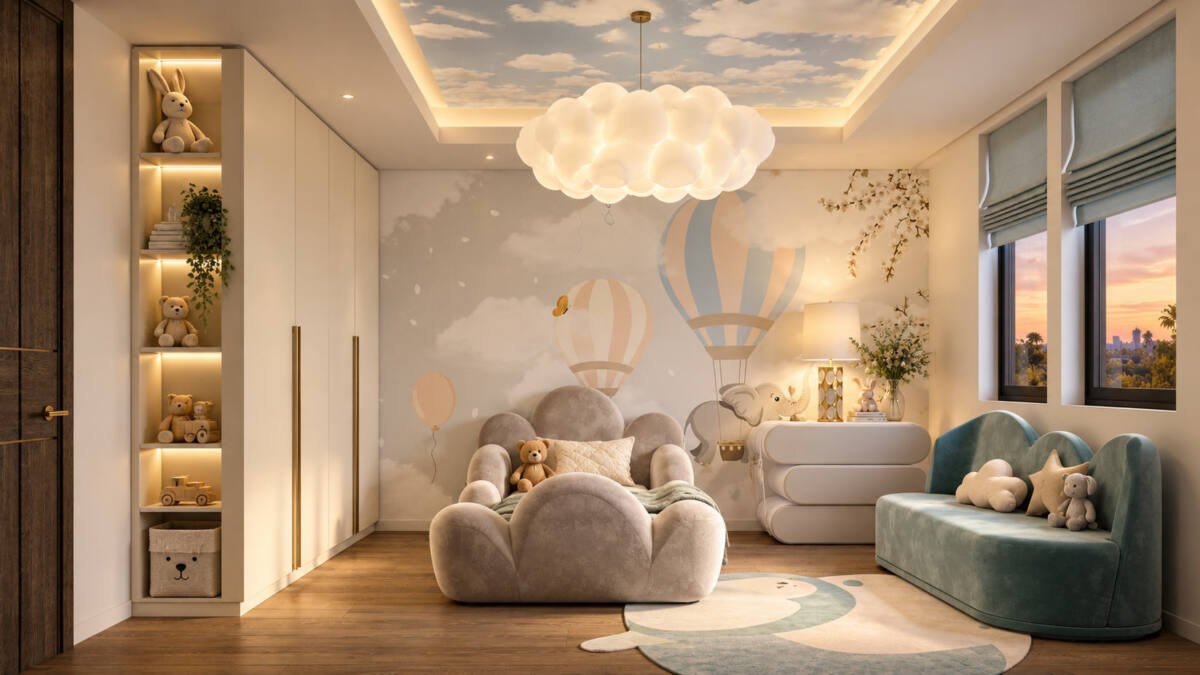
How to Design a Kids’ Bedroom: Layout, Lighting, Storage & Furniture Ideas
Designing a child’s bedroom requires more than choosing playful colors and attractive furniture. It means creating a comfortable, organized space where children can sleep, play, study, and express their personalities. I approach children’s bedroom design by considering how the room will function throughout the day, how much space each activity requires, and how the design can adapt as a child grows.
For homes in Los Angeles, I also consider natural light, room proportions, window placement, and the relationship between colors and existing interiors. These considerations are part of a cohesive residential interior design approach in Los Angeles, where each room is planned in relation to the home’s overall character. A thoughtfully planned children’s bedroom should feel inviting without sacrificing functionality.
1. What Should You Consider Before Designing a Kids’ Bedroom?
Before selecting furniture or colors, I start by understanding the child’s age, interests, daily routine, and available space. A toddler’s bedroom has different requirements from a teenager’s room, so the design should reflect how the space will actually be used.
I consider five important factors:
- Age and lifestyle: Identify whether the room needs space for sleeping, playing, studying, or several activities.
- Available floor space: Measure the room and note doors, windows, closets, and existing architectural features.
- Storage requirements: Consider clothing, toys, books, school supplies, and personal belongings.
- Natural light: Observe how daylight enters the room and where additional lighting may be needed.
- Personal preferences: Understand the child’s favorite colors, interests, and preferred surroundings.
Starting with these details helps me establish a design direction before choosing individual elements.
2. How Do You Plan a Functional Kids’ Bedroom Layout?
A functional kids’ bedroom layout separates different activities while keeping the room comfortable to move through. I generally consider three primary zones: sleeping, playing, and studying.
The sleeping area should feel calm and uncluttered. The play area benefits from accessible floor space, while the study area needs a suitable desk, comfortable seating, and adequate lighting.
When arranging furniture, I pay attention to walking paths and the distance between individual pieces. Placing a bed against an appropriate wall can leave more usable floor space, while positioning a desk near a window can make use of natural daylight.
For smaller Los Angeles bedrooms, I often prioritize furniture with more than one purpose and avoid filling every available corner. The goal is to make the room feel balanced rather than crowded.
3. What Furniture Should You Choose for a Kids’ Bedroom?
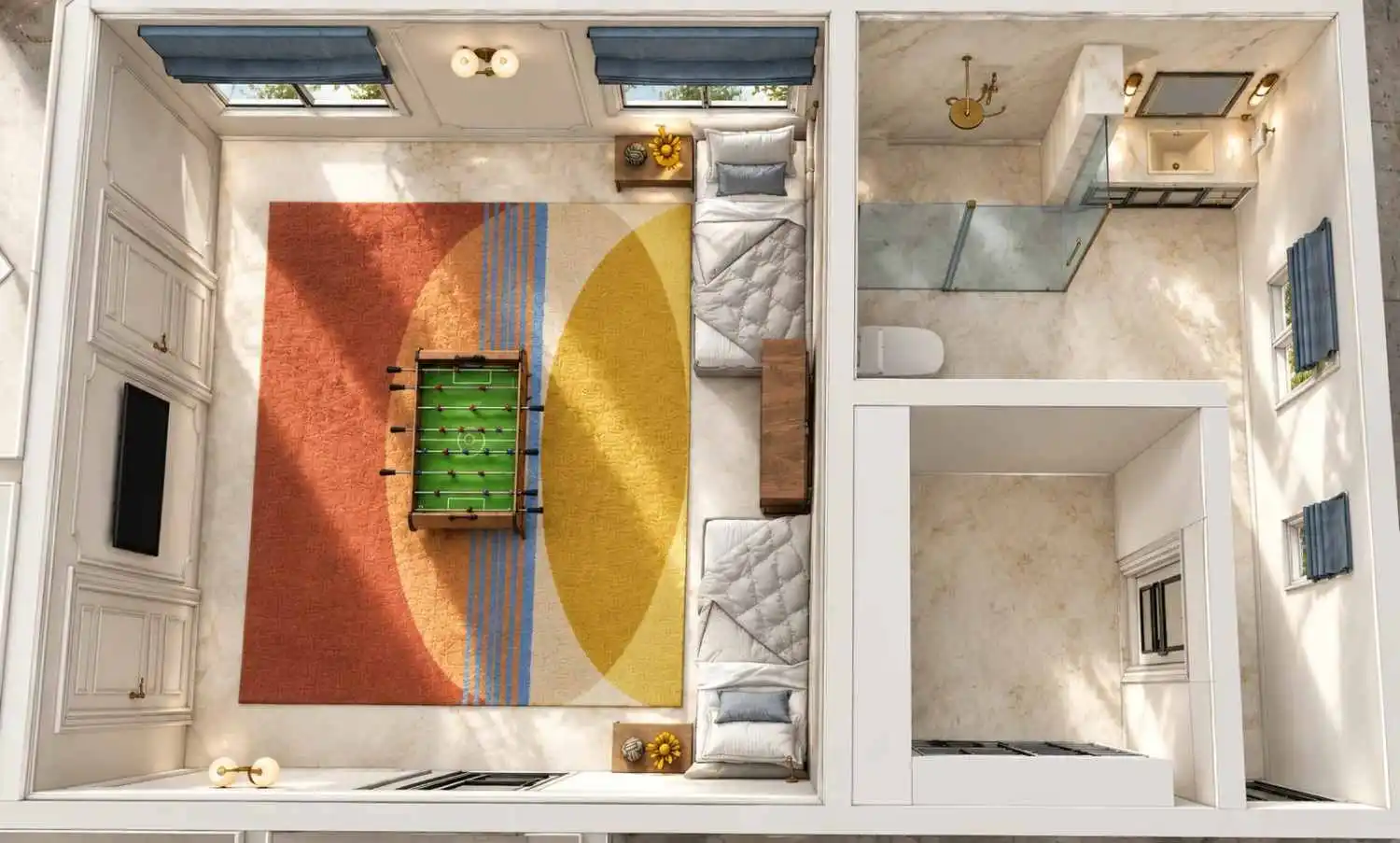
The best furniture for a children’s bedroom combines appropriate proportions, everyday functionality, and durability. I select pieces according to the child’s age and the room’s dimensions rather than choosing furniture based on appearance alone.
Some useful furniture choices include:
- Beds: Choose a suitable bed size that leaves enough room for movement and other activities.
- Desks and chairs: Select comfortable furniture that supports reading, drawing, and schoolwork.
- Nightstands: Use compact bedside surfaces for books, lamps, and everyday essentials.
- Multifunctional furniture: Consider storage beds, desks with drawers, and furniture that serves more than one purpose.
- Seating: Add a small reading chair or comfortable seating when space allows.
I also look for furniture that can remain useful as a child’s needs change. Simple forms, adaptable arrangements, and durable finishes can help a bedroom feel relevant for longer.
4. What Are the Best Lighting Ideas for a Kids’ Bedroom?
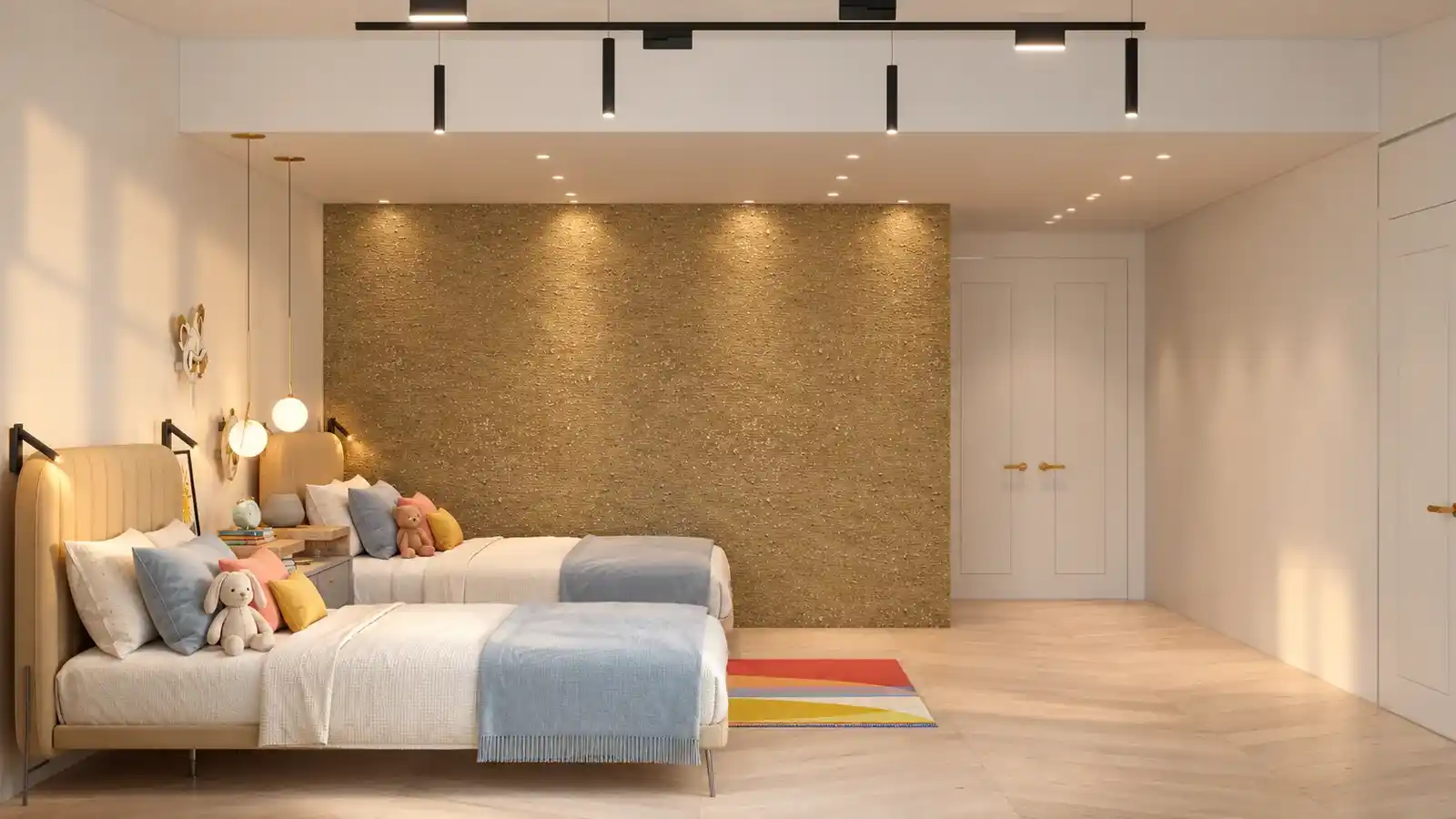
I generally consider three types of lighting:
- Ambient lighting: A ceiling fixture or well-planned general lighting provides overall illumination.
- Task lighting: Desk lamps and reading lights provide focused illumination for specific activities.
- Accent lighting: Decorative fixtures or subtle wall lighting add visual interest and help establish the room’s atmosphere.
I also consider window, curtain, and furniture placement when planning lighting. In rooms with generous natural daylight, window treatments can help manage brightness and privacy.
For children’s bedrooms, I prefer cordless window coverings wherever possible. The CPSC’s guidance on cordless window coverings for child safety explains why cordless options are the safest choice in homes with young children.
5. How Do You Choose the Right Colors for a Kids’ Bedroom?
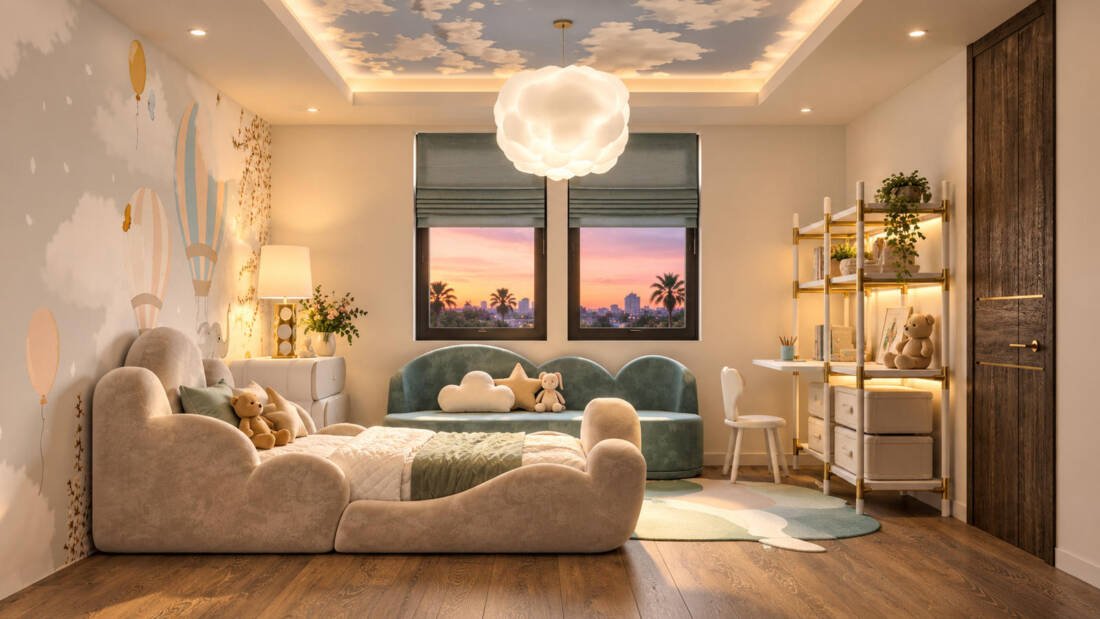
Color influences the overall character of a bedroom. Rather than relying entirely on traditional pink or blue palettes, I consider the child’s preferences alongside the room’s lighting, furniture, and surrounding finishes.
A balanced color scheme can include:
- Soft neutrals: Cream, warm white, and beige create a versatile foundation.
- Gentle pastels: Muted green, pale blue, and soft peach introduce color without overwhelming the room.
- Accent shades: Deeper colors can add contrast through selected walls, textiles, or decorative accessories.
- Natural tones: Wood finishes and earthy colors can bring warmth and visual consistency.
I often recommend keeping larger surfaces versatile and introducing stronger colors through elements you can update more easily. This allows the room to evolve without requiring every design decision to change.
6. How Can You Maximize Storage in a Kids’ Bedroom?
Effective storage keeps a child’s bedroom organized while making everyday belongings easy to access. I plan storage around what the child uses most frequently rather than simply adding more cabinets.
Some practical kids’ bedroom storage ideas include:
- Under-bed drawers for seasonal clothing, extra bedding, or toys.
- Open shelving for books, displays, and frequently used items.
- Storage benches that combine seating with concealed storage.
- Labeled baskets for toys, art supplies, and smaller belongings.
- Wall-mounted shelves to make better use of vertical space.
I also consider the child’s height when positioning frequently used items. Accessible storage encourages children to participate in keeping their rooms organized.
7. How Do You Design a Shared Bedroom for Two Children?
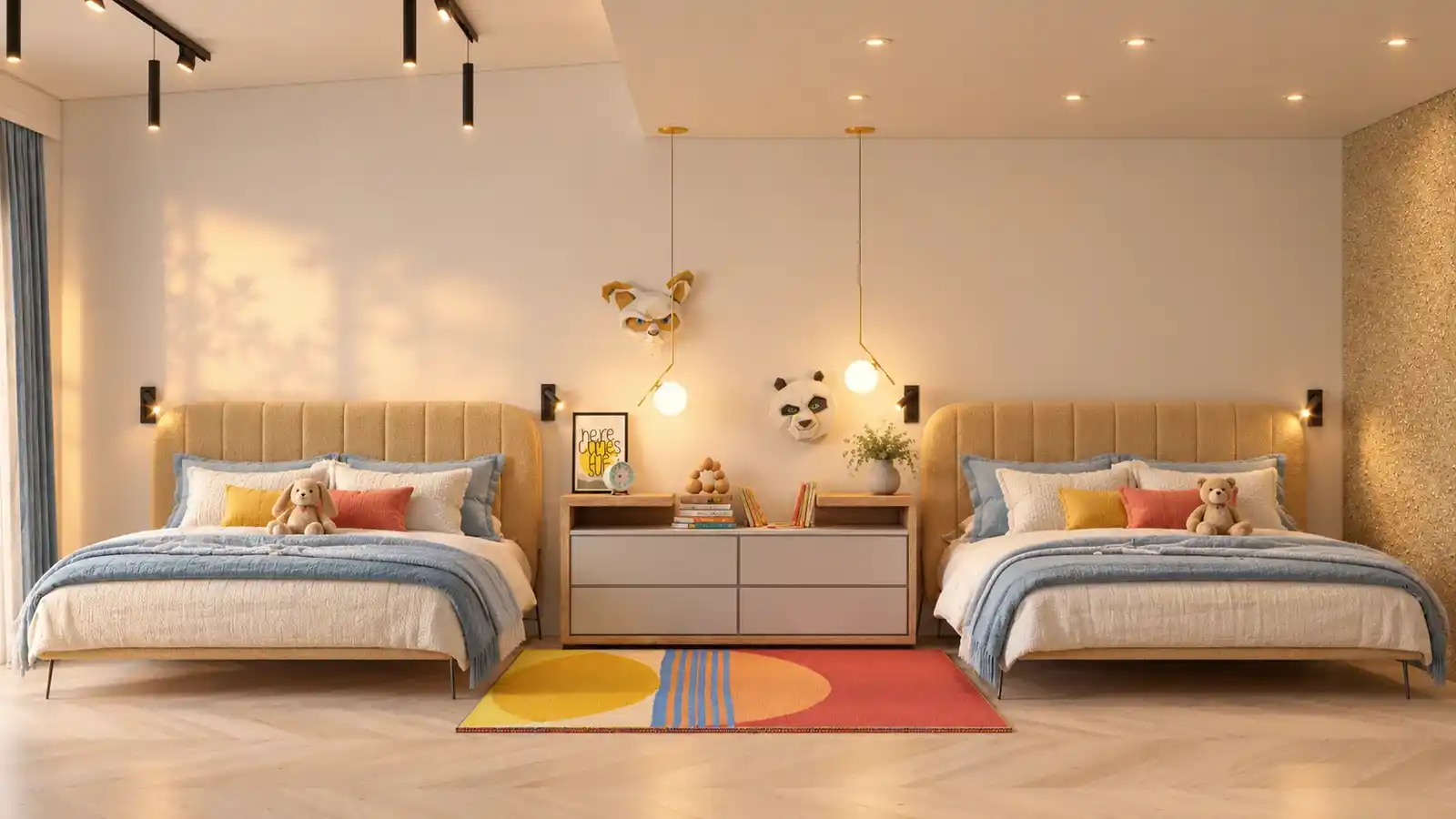
A shared bedroom should give each child a sense of personal space while maintaining a cohesive overall appearance. I begin by understanding each child’s age, sleeping preferences, and storage requirements.
Depending on the room’s dimensions, suitable arrangements may include twin beds placed side by side, beds positioned along separate walls, or bunk beds where appropriate.
I also look for ways to distinguish individual areas without visually dividing the entire room. Different bedding colors, personal shelving, and separate bedside storage can help each child feel that the room reflects their personality.
The most important consideration is balancing shared functionality with individual comfort.
8. How Can You Make a Kids’ Bedroom Safe and Easy to Maintain?
Safety should be considered throughout the design process, particularly when selecting furniture and window treatments.
I pay attention to furniture stability, accessible electrical cords, window placement, and the materials used on frequently touched surfaces.
The U.S. Consumer Product Safety Commission recommends anchoring dressers, bookcases, and other furniture that could tip over to help prevent injuries. I also prioritize cordless window coverings in children’s rooms and keep beds and furniture away from accessible window-covering cords.
For everyday maintenance, I prefer durable finishes, washable textiles where appropriate, and surfaces that are practical to clean. These choices help the bedroom remain attractive while accommodating daily use.
9. How Can You Personalize a Kids’ Bedroom Without Overdecorating?
A child’s bedroom should reflect their interests without making the overall design feel visually busy. I like incorporating personality through artwork, bedding, display shelves, decorative cushions, and selected accessories.
For example, a child interested in books might benefit from a dedicated reading corner, while someone who enjoys art may appreciate an accessible display area for their creations.
I find that keeping the main furniture and larger finishes relatively cohesive makes it easier to introduce personal touches. These smaller details can change as interests develop, allowing the bedroom to remain expressive without losing its overall design direction. This balance between personal expression and cohesive interiors can be seen in my children’s bedroom interior design projects.
10. When Should You Consider Professional Kids’ Bedroom Interior Design?
Professional interior design can be particularly helpful when a bedroom needs to accommodate several activities, has unusual proportions, or requires a cohesive approach to furniture, lighting, colors, and storage.
When I plan a children’s bedroom, I look at how every element works together. I consider the room’s layout, furniture scale, lighting requirements, material choices, and the child’s individual preferences before developing a cohesive design direction.
At Karamia Designs, I believe a successful children’s bedroom should balance visual appeal with the practical needs of everyday family life. The result should feel personal, comfortable, and thoughtfully coordinated with the rest of the home.
Frequently Asked Questions About Kids’ Bedroom Design
- What type of flooring is best for a child’s bedroom?
I generally recommend durable, easy-to-clean flooring with a comfortable rug for warmth and play. The right choice depends on maintenance requirements, comfort, and the home’s existing interior finishes.
- How can you design a kids’ bedroom that accommodates changing interests?
I recommend keeping permanent elements such as flooring, larger furniture, and wall finishes relatively versatile. Themes and changing interests can be introduced through artwork, bedding, and removable decorations.
- Should a child’s bedroom include a television or entertainment area?
It depends on the child’s age and family routines. I prefer prioritizing sleep, reading, and play areas rather than allowing entertainment equipment to dominate the bedroom.
- How do you incorporate a reading nook into a child’s bedroom?
I look for an unused corner near natural light and introduce comfortable seating, accessible book storage, and a small reading light to create a dedicated reading space.
- How can you make a child’s bedroom feel connected to the rest of the home?
I use complementary materials, coordinated finishes, and a consistent color palette while allowing playful details to give the bedroom its own personality.
- How do you design a kids’ bedroom in a home with limited natural light?
I use light-reflective finishes, carefully positioned mirrors, and layered artificial lighting to make the room feel brighter without relying entirely on natural daylight.