

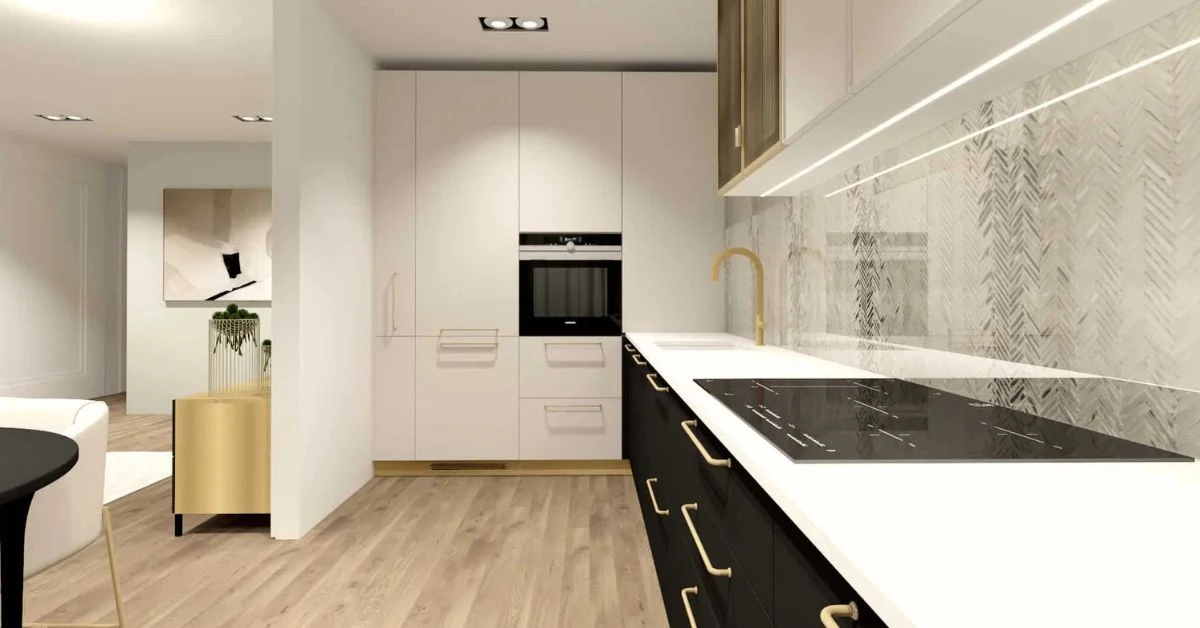
Open Concept Kitchen Design in Los Angeles: Is It Right for Your Home?
If you’ve spent any time touring homes in Los Angeles, you’ve probably noticed a pattern. Walls are coming down. Kitchens are spilling into living rooms. Sliding glass doors are replacing solid ones. Open concept kitchen design in Los Angeles has become the layout homeowners ask for most, and for good reason, it fits the way we actually live here.
In my experience working with clients across Los Angeles, Beverly Hills, and Santa Monica, the open kitchen conversation almost always comes back to lifestyle. People want a space where they can cook dinner, help with homework, pour wine for guests, and keep an eye on the backyard, all without leaving the room. That’s not a trend. That’s just how Southern California living works.
But open concept isn’t automatically the right choice for every home. It depends on your layout, your habits, and how you want your house to feel. This guide walks through the real benefits, the honest drawbacks, and how to know if an open-floor-plan kitchen is the right move for your space.
Why Open Concept Kitchen Design in Los Angeles Continues to Be Popular
Southern California’s climate and architecture have always leaned toward open, flowing spaces. Big windows, indoor-outdoor transitions, and informal entertaining have shaped how homes here are built for decades. Open concept kitchens are simply the natural extension of that mindset into the heart of the home.
A few reasons this layout has so much staying power:
- Natural light travels further: Removing walls between the kitchen, dining, and living areas lets light move freely through the home, which matters in a city where indoor-outdoor brightness is part of the appeal.
- Family life happens in one place: Parents can cook while keeping an eye on kids. Couples can talk while one person handles dinner. Nobody is isolated in a closed-off galley kitchen.
- Entertaining feels effortless: Whether it’s a casual Sunday gathering or a full dinner party, guests naturally cluster around the kitchen. An open layout means the host isn’t stuck behind a wall while everyone else socializes.
Many of our Los Angeles clients tell us the same thing when we start a project: they don’t just want a prettier kitchen; they want a kitchen that works with how they actually spend their time at home.
The Biggest Benefits of an Open Floor Plan Kitchen
When an open concept kitchen is designed well, the advantages go beyond aesthetics. Here’s what tends to matter most to homeowners.
- Better traffic flow: Without walls and doorways creating bottlenecks, movement between the kitchen, dining, and living spaces feels natural. This is especially valuable in homes with kids, multiple cooks, or frequent guests.
- More natural light throughout the main living area: Light from kitchen windows can reach into adjoining rooms instead of stopping at a wall, which makes the whole floor feel brighter and larger.
- Improved social interaction: The kitchen becomes part of the conversation instead of being separate from it. This is one of the most common reasons our clients request this layout in the first place.
- Increased visual space: Even modest-sized homes can feel significantly larger once interior walls between the kitchen and living areas are removed. We often recommend this approach for clients who want a bigger feeling without a bigger footprint.
- Stronger connection to outdoor living areas: In a region where backyards, patios, and pools are an extension of daily life, an open kitchen that flows toward the outdoors makes the whole home feel more usable.
Potential Drawbacks of Open Concept Kitchen Layouts
An honest design conversation has to include the tradeoffs. Open concept isn’t the right fit for everyone, and it’s worth understanding the downsides before committing to a full remodel.
- Less privacy: Cooking, prep work, and a sink full of dishes are all on display. If you prefer to keep the messier parts of meal prep out of sight, an open layout can feel exposed.
- Noise concerns: Sound travels in open spaces. A blender running during a movie, or a dishwasher cycle during a work call, becomes a shared experience whether everyone wants it or not.
- Storage challenges: Removing walls often means losing the cabinetry and pantry space that would have lived along them. Storage has to be planned more intentionally in an open layout.
- Cooking odors: Without a door to contain them, smells from cooking, especially anything fried, grilled indoors, or strongly spiced, can spread into living and dining areas.
- Design consistency requirements: When the kitchen is visually connected to the living room, every finish, fixture, and color choice has to work together. There’s no closing a door on a clashing design decision.
In my experience, most of these drawbacks can be designed around with the right planning, things like better ventilation, smarter storage solutions, and sound-conscious materials. But they shouldn’t be ignored.
Open Concept Kitchen Design Ideas for Los Angeles Homes
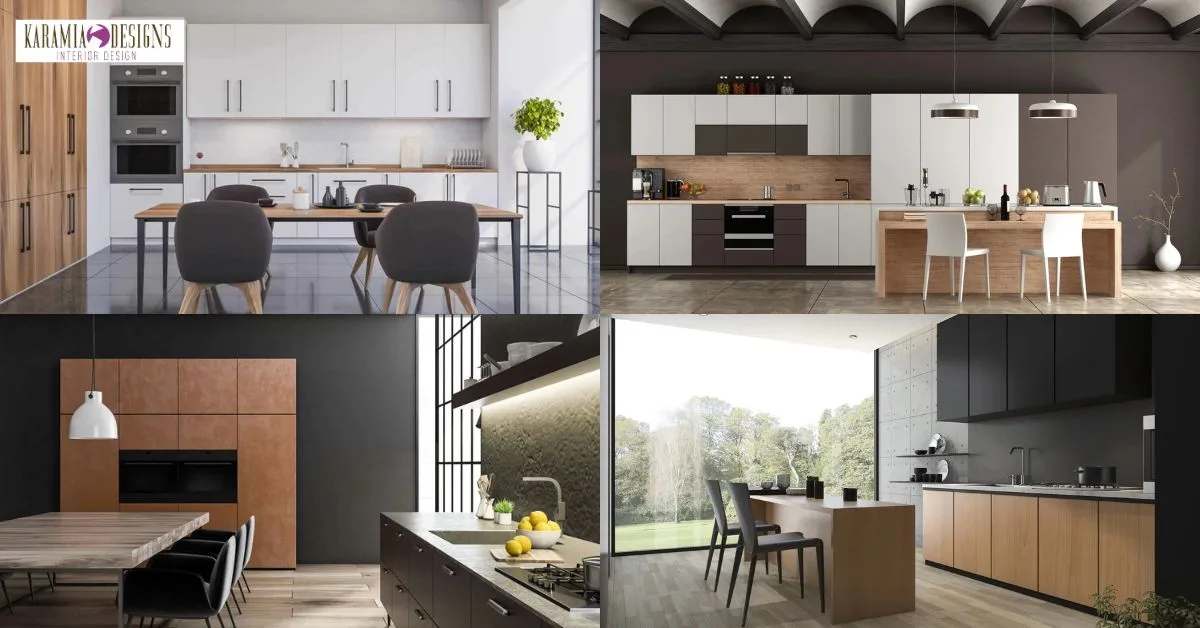
Los Angeles is architecturally diverse, and open concept kitchens look different depending on the style of home they’re built into.
- Contemporary homes: Clean lines, large-format tile, and waterfall-edge islands tend to define open kitchens in newer contemporary builds. Minimal upper cabinetry keeps sightlines open into the living space.
- Luxury residences: In higher-end homes, we often see expanded islands with seating for six or more, integrated paneled appliances, and a secondary prep kitchen (often called a scullery or back kitchen) tucked just out of view so the main open kitchen stays photo-ready at all times.
- Spanish-style homes: Open concept doesn’t mean abandoning character. In Spanish Revival homes throughout Los Angeles, we frequently keep arched doorway details and warm terracotta tones while opening the floor plan, blending historic charm with modern flow.
- Modern coastal homes: In Santa Monica and along the coast, open kitchens often lean into light woods, white oak flooring, and large sliding glass walls that blur the line between the kitchen and the patio.
- ADUs and smaller spaces: Open concept design isn’t only for large homes. In compact ADUs and smaller floor plans, removing even one non-structural wall between a kitchen and living area can make a 400-square-foot space feel dramatically more livable.
How Open Kitchens Support Southern California Indoor-Outdoor Living
This is where open concept kitchen design in Los Angeles really sets itself apart from other regions. The mild climate means homeowners can treat the backyard as a true extension of the living space for most of the year, and the kitchen is usually the bridge between the two.
- Folding and sliding doors: Multi-panel glass doors that fully retract are one of the most requested features we design around. They turn a kitchen wall into an open threshold to the patio.
- Patio integration: Outdoor kitchens, dining areas, and lounge spaces work best when they feel like a continuation of the indoor kitchen, not a separate destination.
- Entertaining spaces: An open kitchen that connects to an outdoor area lets hosts move drinks, food, and conversation outside without losing the flow of the gathering.
- California lifestyle advantages: Year-round mild weather means these indoor-outdoor connections actually get used, not just admired. This is one of the clearest reasons open concept kitchens have such staying power here compared to colder climates.
Signs an Open Concept Kitchen Is Right for Your Home
Not every home or household benefits equally from this layout. Here’s how we help clients think through the decision.
- Family size and lifestyle: Households with kids, multiple cooks, or frequent guests tend to benefit most from open sightlines and shared space.
- Existing home layout: Homes with awkward, choppy floor plans often see the biggest transformation from opening up the kitchen. Homes that are already fairly open may need less dramatic changes.
- Renovation goals: If your goal is more natural light and a bigger feeling, an open concept delivers. If your priority is a quiet, contained workspace for serious cooking, a more traditional layout might suit you better.
- Property value considerations: Open concept kitchens remain a strong selling point in the Los Angeles real estate market, particularly in homes geared toward families and entertaining.
- Tolerance for noise and visibility: If you genuinely don’t mind a visible kitchen and shared sound, this layout will likely feel freeing rather than frustrating.
At Karamia Designs, we walk every client through these questions before drawing a single floor plan, because the best layout is the one that fits how you actually live, not just what looks good in photos.
Working with a Kitchen Interior Designer in Los Angeles
Opening up a kitchen involves more than knocking down a wall. Structural considerations, ventilation, lighting design, sightlines, and material consistency all have to work together, and mistakes here are expensive to fix after the fact.
Working with an experienced kitchen interior designer in Los Angeles helps homeowners avoid the most common pitfalls: poor traffic flow, mismatched finishes between spaces, inadequate storage, and ventilation that can’t keep up with an open layout. A good designer also knows how to preserve architectural character, whether that’s Spanish Revival details or mid-century lines, while still creating a modern, functional open space.
Achieving this type of fluid floor plan requires looking at the home as a complete ecosystem, ensuring a kitchen remodel doesn’t feel like an isolated island, but rather a seamless transition into the rest of the house. This level of architectural cohesion means evaluating structural possibilities, balancing sightlines, and selecting a unified material palette so the entire home begins to tell one consistent design story.
Frequently Asked Questions
What is an open concept kitchen?
An open concept kitchen is a layout where the kitchen flows directly into adjoining living or dining areas without walls or doors separating them. It creates one continuous, multi-use space rather than a series of closed-off rooms.
Are open concept kitchens still popular in Los Angeles?
Yes. Open concept layouts remain one of the most requested kitchen designs in Los Angeles, largely because they support the indoor-outdoor, entertaining-focused lifestyle that’s common throughout Southern California.
Does an open kitchen increase home value?
In many cases, yes. Open floor plan kitchens are highly desirable to a broad range of buyers, particularly families and those who entertain, which can make a home more competitive in the Los Angeles market.
What are the disadvantages of an open floor plan?
The main drawbacks are less privacy, more noise carried between spaces, reduced wall storage, cooking odors spreading into living areas, and the need for consistent design across a larger visible space.
Can open concept kitchens work in smaller homes?
Yes. Even removing a single non-structural wall in a smaller home or ADU can make the space feel noticeably larger and more functional, without requiring a full-scale renovation.
How much does it cost to create an open concept kitchen?
Costs vary widely depending on whether walls are load-bearing, the scope of electrical and plumbing changes, and finish selections. A consultation with a designer or contractor is the most reliable way to get an accurate estimate for your specific home.
Ready to Create a Kitchen That Fits Your Lifestyle?
Whether you’re considering a full remodel or exploring ways to improve flow and functionality, Karamia Designs can help you create a kitchen that feels open, beautiful, and tailored to the way you live. Your home should be a reflection of your lifestyle, not a compromise on functionality. Let’s look past the existing walls and discover what’s truly possible for your space.